
The craft of digital design.
An ongoing series on how good design actually works — the white space, typography, motion, and restraint most people never notice, and always feel. Read it in order, or start anywhere.

-

Good Design Whispers. Great Design Doesn't Need to Shout.
Luxury has never been loud — it has always been restraint. Why the best digital design whispers, and how white space, typography, and taste outlast noise and trends.
Read the essay → -

Why White Space Is Never Empty
White space guides attention before typography, builds hierarchy before color, and creates trust before a word is read. How negative space makes confidence visible.
Read the essay → -
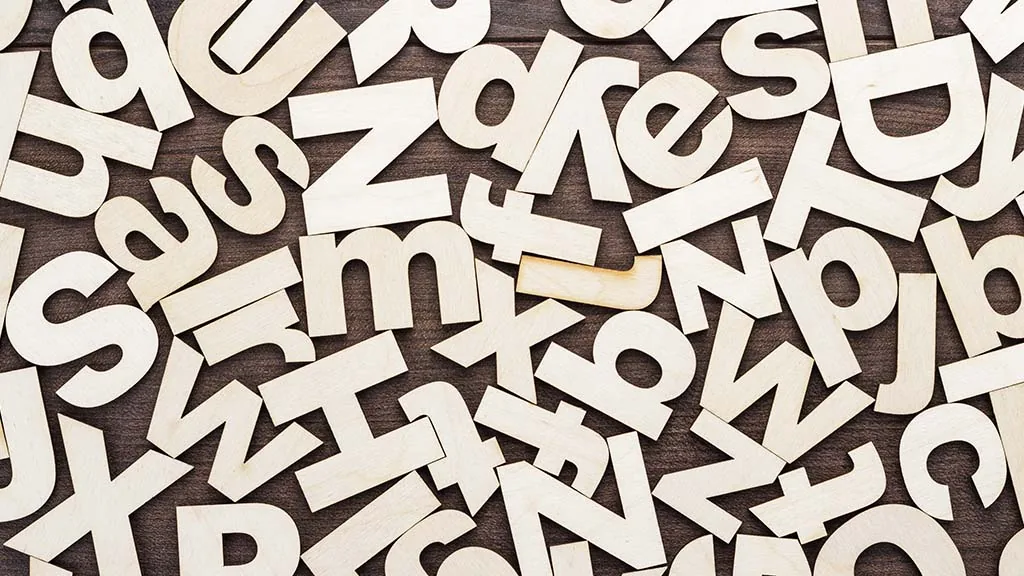
Typography Is the Voice of Your Brand
Cover the logo, strip the color, leave only the type — people still feel something. Why typography speaks before words do, and why AI makes that craft matter more, not less.
Read the essay → -

Motion Should Guide, Not Distract
Great motion isn't decoration — it's communication. Why the best interface animation goes unnoticed, and how to use it to reduce uncertainty instead of demanding attention.
Read the essay → -

Every Pixel Is a Decision
Visual design isn't the art of making things beautiful. It's the discipline of making intentional choices — thousands of them, until every pixel has earned its place.
Read the essay → -
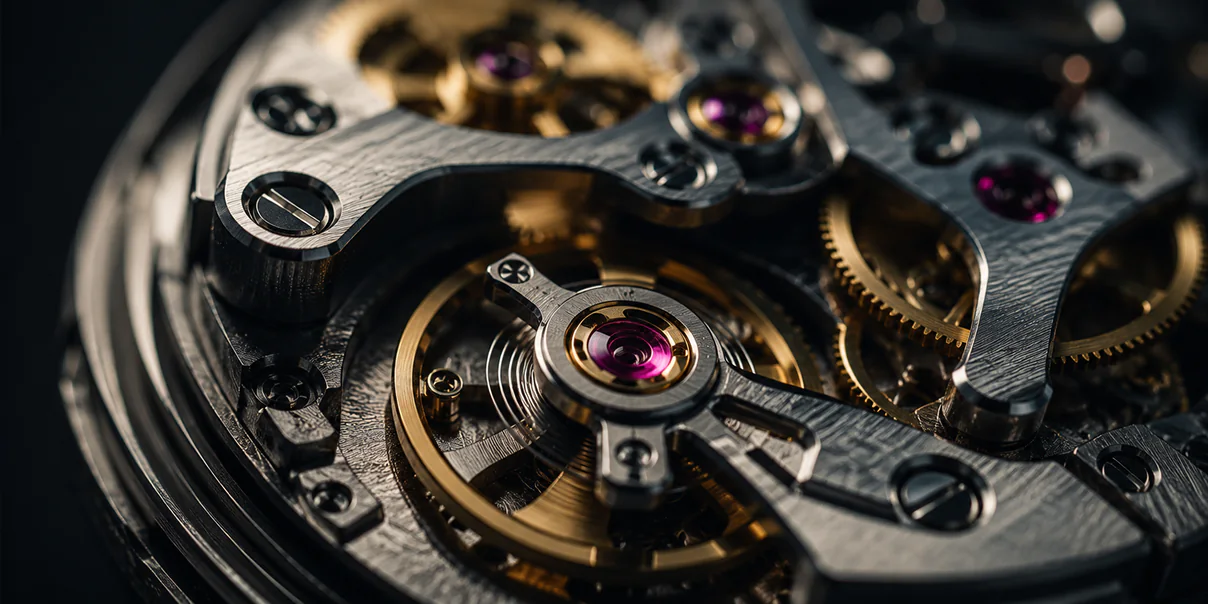
The Details Users Never Notice Are the Ones They Feel
Nobody compliments your spacing or your easing curve. But remove them and a product feels broken. Why micro-interactions, spacing, rhythm, and hierarchy carry the experience.
Read the essay → -
Designing Products That Feel Expensive
Premium isn't a gold gradient or a price tag — it's something people feel within moments. What actually creates the perception of a premium digital experience: intentionality.
Read the essay → -
Enterprise Design Does Not Have to Feel Corporate
Somewhere over two decades, organizations quietly began translating professional into personality-free. Why professionalism and humanity aren't opposites — and how warmth, distinction, and scale can coexist.
Read the essay → -
Designing With Less Takes More Skill
Minimalism isn't a style — it's a discipline. When every element has to earn its place, you can't hide behind decoration. Why restraint is the hardest thing to design well.
Read the essay → -

Design Systems Are How Craft Survives Scale
Design systems aren't really about efficiency. They exist to protect craft as organizations grow — so thoughtful decisions outlive the designer who first made them.
Read the essay → -

The Most Expensive Design Debt Is Inconsistency
Design debt accumulates quietly — one reasonable exception at a time — until customers call the product confusing and teams slow to a crawl. Why inconsistency is an organizational cost, not just a design one.
Read the essay → -
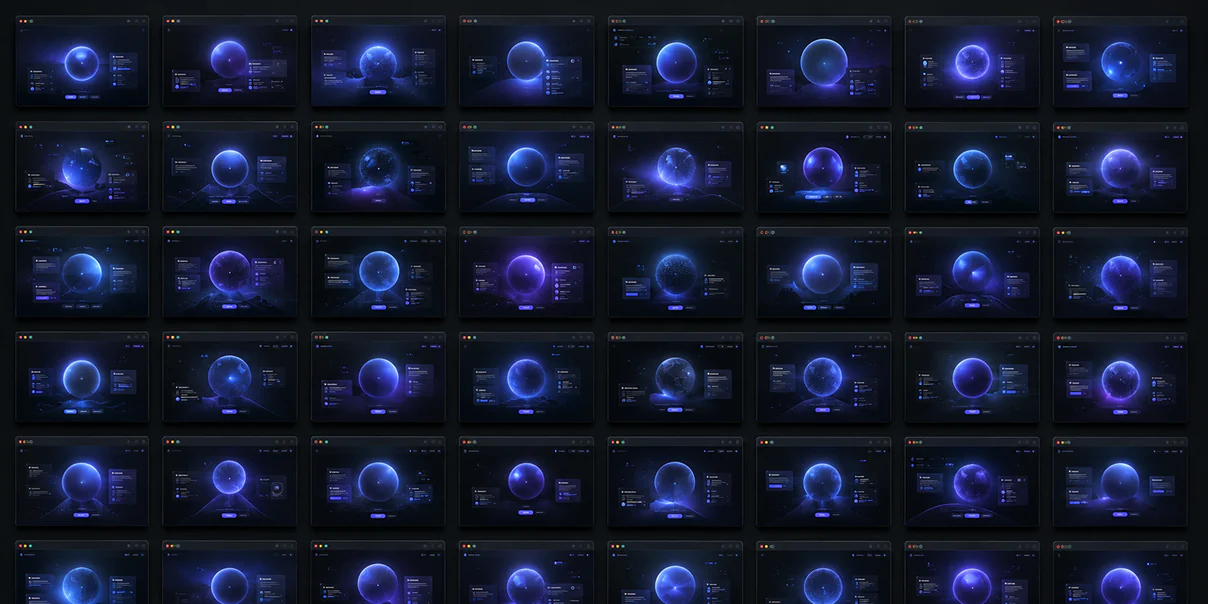
Why So Many AI Products Look Exactly the Same
Dark backgrounds, blue gradients, glowing orbs, identical dashboards. Why AI products have become visually indistinguishable — and why a clear point of view is the only way out.
Read the essay → -

AI Can Generate a Brand. It Cannot Protect One
Anyone can now generate a polished visual identity in minutes. Why creating branded assets got easier while protecting the brand they represent got harder — and why stewardship wins.
Read the essay → -

Brand Lives in the Product, Not Just the Marketing Site
The marketing site promises one experience; the product delivers another. Why the application must express the same character as the campaign that sold it — because the product is the brand.
Read the essay → -

AI Makes Art Direction More Important, Not Less
When one person can generate hundreds of polished images before lunch, beauty stops being the differentiator. The value shifts toward deciding which images belong together — and building a coherent visual world.
Read the essay → -

Why Craft Still Wins
Technology changes every month; human perception changes very slowly. Why timeless design principles — and the judgment behind them — outlast every trend and tool.
Read the essay → -
Taste Is the Last Competitive Advantage
When AI can execute anything in seconds, execution stops being the differentiator. Why taste — the judgment to know what belongs, what to remove, and when to stop — is what's left.
Read the essay →