
Taste Is the Last Competitive Advantage
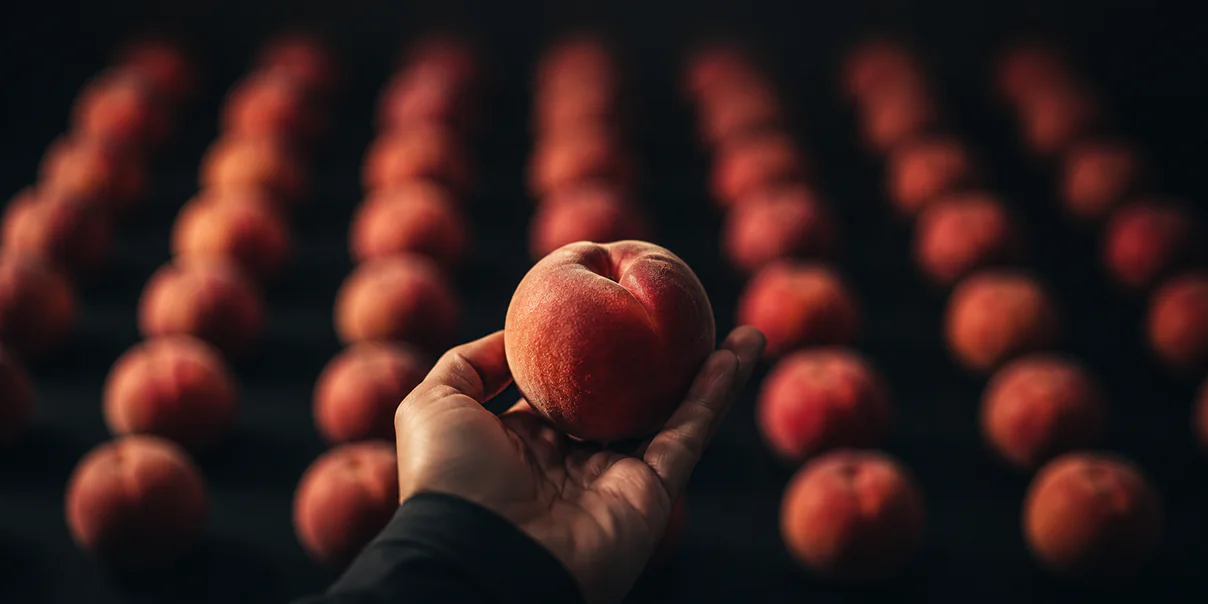
Why judgment, restraint, and craft still separate great design from everything else.
There has never been a better time to make something.
Ideas become interfaces in minutes. Entire design systems can be generated from a prompt. Wireframes become polished mockups almost instantly. Code writes itself. Images appear from words. Animations can be generated automatically. Typography pairs itself. Color palettes are suggested before you’ve even finished describing the product.
The barriers that once separated experienced designers from beginners have become dramatically lower.
And that’s a wonderful thing. More people can create. More ideas can be explored. More businesses can build products they never could have afforded just a few years ago.
But something interesting has happened alongside this explosion of capability.
As execution has become more accessible, one skill has quietly become more valuable than ever.
Taste.
Not personal preference. Not trends. Not aesthetics for aesthetics’ sake.
Taste in the deeper sense. The ability to recognize what belongs and what doesn’t. The judgment to remove instead of add. The restraint to stop before something becomes overdesigned. The discernment to know the difference between something that merely looks impressive and something that feels inevitable.
Frameworks evolve. Tools change. Technology accelerates.
Taste remains remarkably difficult to replicate.
I believe it is becoming one of the last true competitive advantages in design.
We’ve Democratized Execution
For most of design history, knowing how to execute was rare.
If you understood typography, you had an advantage. If you knew grid systems, you stood apart. If you could build interfaces, you were valuable. If you understood front-end development, you became even more valuable.
Today, much of that knowledge has become accessible.
AI can recommend layouts. Generate icons. Create illustrations. Suggest interactions. Write interface copy. Generate prototypes. Even produce production-ready code.
That’s incredible. But it also changes the nature of expertise.
When everyone has access to similar tools, execution alone stops being the differentiator.
The Difference Moves Upstream
When execution becomes easier, decision-making becomes harder.
Instead of asking “Can we build this?” the more important question becomes “Should we?”
Instead of “Which layout should we create?” it becomes “Which problem deserves our attention?”
Instead of “Which animation looks best?” it becomes “Does this movement improve understanding?”
Taste lives in these questions. Not because they’re artistic. Because they’re thoughtful.
Taste Is Pattern Recognition
People often describe taste as mysterious. As though some designers were simply born with it.
I don’t think that’s true.
Taste is accumulated pattern recognition. It is years of observing what creates clarity. Watching what ages well. Understanding why one interface feels calm while another feels exhausting. Recognizing why one type pairing feels timeless while another immediately dates itself.
The more experiences you evaluate, the stronger those patterns become.
Taste isn’t magic. It’s memory refined into judgment.
Good Taste Knows When to Stop
One of the easiest things in design is adding.
Another gradient. Another feature. Another card. Another icon. Another shadow. Another animation. Another explanation.
Software encourages addition. Clients request addition. Stakeholders request addition. AI generates endless addition.
Taste often says something different. Enough.
That single decision may be the hardest one in the entire project. Because restraint always requires confidence.
Minimalism Isn’t the Goal
Good taste isn’t about making everything minimalist. That’s another misunderstanding.
Minimalism can become just another aesthetic trend. Taste isn’t measured by how little exists. It’s measured by how intentional every remaining decision becomes.
Some products should feel expressive. Some should feel playful. Some should feel technical. Some should feel luxurious. Some should feel almost invisible.
Taste isn’t applying one visual language everywhere. It’s knowing which language belongs to which problem.
Originality Without Ego
There’s a temptation among designers to chase originality. To create something nobody has seen before.
Innovation matters. But originality alone isn’t enough.
Sometimes designers reinvent patterns that users already understand. Not because the new solution is better. Because it’s different.
Taste recognizes the difference between originality and novelty. Originality serves understanding. Novelty often serves ego.
The best work rarely announces itself as innovative. It simply solves the problem so naturally that people wonder why it wasn’t always done that way.
Trends Expire. Craft Doesn’t.
Every year brings new trends. Glassmorphism. Neumorphism. Massive gradients. Tiny typography. Oversized typography. Brutalism. Claymorphism. AI-generated everything.
Some trends influence the future. Many disappear.
Craft survives them all. Hierarchy. Rhythm. Contrast. Composition. Spacing. Balance. Typography. Light. Shadow. Proportion.
These principles existed long before modern software. They’ll continue existing long after today’s visual styles disappear.
Taste recognizes the difference between timeless principles and temporary aesthetics.
AI Makes Average Easier
One of AI’s greatest strengths is recognizing patterns. It can generate work that looks remarkably competent. Sometimes excellent.
But AI tends toward statistical averages. It predicts what should come next.
Taste often moves differently. It introduces restraint where abundance would normally appear. It chooses silence over decoration. It prioritizes emotion over novelty. It creates unexpected clarity.
AI is extraordinary at producing possibilities. Taste is extraordinary at selecting the right one.
Selection Is Becoming More Valuable Than Creation
Designers increasingly spend less time creating the first draft. Instead, they evaluate dozens.
This changes the role dramatically. The designer becomes less of a producer. More of a curator. An editor. A decision-maker.
Someone who asks: Which concept deserves refinement? Which direction feels authentic? Which solution supports the business? Which experience reduces friction? Which interface will still feel appropriate five years from now?
Selection becomes the creative act.
Premium Brands Have Strong Opinions
One thing luxury brands consistently understand is restraint. They don’t attempt to appeal to everyone simultaneously. They make decisions. Deliberate ones.
Typography. Photography. Packaging. Spacing. Language. Motion. Everything reflects a point of view.
Taste isn’t avoiding opinions. It’s expressing thoughtful ones consistently.
Brands become memorable because they stop trying to become universally acceptable.
Taste Creates Trust
Users rarely evaluate design consciously. They don’t analyze baseline grids. Or spacing systems. Or optical alignment.
Yet they consistently describe products as: Professional. Polished. Premium. Trustworthy. Confident.
Those emotional responses emerge from thousands of thoughtful decisions.
Taste creates consistency. Consistency creates trust. Trust changes behavior.
That’s why visual design isn’t merely decoration. It’s business strategy.
Authenticity Can’t Be Automated
One of the fascinating shifts happening right now is a renewed appreciation for authenticity.
People increasingly recognize generic work. AI-generated stock illustrations. Predictable layouts. Interchangeable websites. Everything begins feeling strangely familiar.
That’s because optimization often produces similarity.
Taste pushes against sameness. Not through randomness. Through authenticity. Real opinions. Distinctive perspectives. Unique experiences. Honest storytelling.
Authenticity isn’t imperfection. It’s specificity.
Craft Is Visible in Tiny Decisions
Some people think craftsmanship only appears in elaborate work. I disagree.
Craft becomes most obvious in restraint. Perfect spacing. Measured typography. Calm transitions. Thoughtful interactions. Meaningful motion. Helpful empty states. Clear hierarchy.
These details rarely receive applause. Users simply feel them.
Craft isn’t performing excellence. It’s quietly sustaining it.
The Interface Reflects the Team
Products inherit the judgment of the people who make them.
Organizations obsessed with features often create cluttered products. Organizations obsessed with speed often create inconsistent ones. Organizations obsessed with users create clarity.
Design doesn’t happen independently from culture.
Taste isn’t only an individual characteristic. Teams can cultivate it. Organizations can protect it. Leadership can prioritize it.
Great Designers Ask Better Questions
I’ve noticed something interesting over the years.
Junior designers often ask: “What should this look like?”
Experienced designers ask: “Why does this exist?” “What deserves emphasis?” “What should disappear?” “What emotion belongs here?” “What would happen if we removed this?”
Taste reveals itself through questions long before it appears visually.
Confidence Isn’t Loud
Many products mistake intensity for confidence. Bright colors. Heavy shadows. Constant movement. Large headlines everywhere. Badges. Notifications.
Attention becomes fragmented.
True confidence behaves differently. It trusts users. It allows content room to breathe. It guides instead of demanding.
Luxury rarely screams. Neither should exceptional digital products.
The Human Eye Still Matters
No matter how sophisticated AI becomes, someone still needs to look. Really look.
Does this feel balanced? Does this transition make sense? Does the hierarchy communicate priority? Does the typography breathe? Does this create calm?
No algorithm fully replaces human perception. Design ultimately serves human beings. Human judgment remains central.
Taste Requires Curiosity
Good designers rarely stop learning.
Architecture. Photography. Industrial design. Fashion. Music. Film. Editorial design. Fine art. Nature.
Everything teaches composition. Rhythm. Contrast. Light. Emotion.
Taste develops because curiosity expands reference points. Design doesn’t exist in isolation. It belongs to culture.
Judgment Ages Better Than Software
I’ve used dozens of design tools. Some disappeared. Some transformed the industry. Others became irrelevant.
The specific software mattered less than I expected. The principles never changed.
Understand people. Create clarity. Reduce friction. Respect attention. Use hierarchy intentionally. Build trust.
Software changes every few years. Judgment compounds over decades.
Taste Is Saying No
One of the least glamorous parts of design is saying no.
No to unnecessary features. No to decorative motion. No to visual clutter. No to competing priorities. No to solving organizational problems inside customer interfaces.
Every meaningful “yes” requires many thoughtful “no’s.”
Taste isn’t only recognizing beauty. It’s protecting clarity.
The Future Belongs to Distinctive Thinking
As AI continues evolving, technical execution will become increasingly commoditized.
That’s not something to fear. It’s something to embrace. Because it allows designers to spend more time where they create the most value.
Thinking. Judging. Editing. Observing. Questioning. Connecting. Creating meaning.
The future won’t belong to the people who know the most shortcuts inside design software. It will belong to those with the clearest perspective. The strongest judgment. The deepest empathy. The most disciplined restraint. The most authentic voice.
At Artifact, Taste Is Part of Strategy
At Artifact, we don’t see taste as a finishing touch applied after strategy. We see it as part of strategy itself.
Every design decision communicates something. Every interaction shapes perception. Every layout teaches users how to think about the product. Every visual choice either strengthens or weakens trust.
That’s why taste matters. Not because it makes things prettier. Because it makes things clearer. More human. More memorable. More valuable.
The Last Competitive Advantage
Technology has always rewarded efficiency. Artificial intelligence will reward efficiency even more.
But efficiency eventually becomes available to everyone. Taste doesn’t.
Because taste isn’t software. It isn’t a framework. It isn’t a design system. It isn’t a prompt.
It’s the accumulation of judgment earned through observation, curiosity, humility, and craft.
It is knowing when to simplify. When to push further. When to stop. When to trust restraint. When to let silence communicate. When to choose timelessness over trend.
The tools will continue changing. The workflows will continue evolving. Artificial intelligence will continue accelerating every aspect of production.
But someone will always have to decide what deserves to exist.
That decision cannot be automated. It requires perspective. It requires conviction. It requires taste.
And in a world where almost everyone can make something beautiful, the people who know what is worth making — and how to make it feel inevitable — will have the greatest advantage of all.